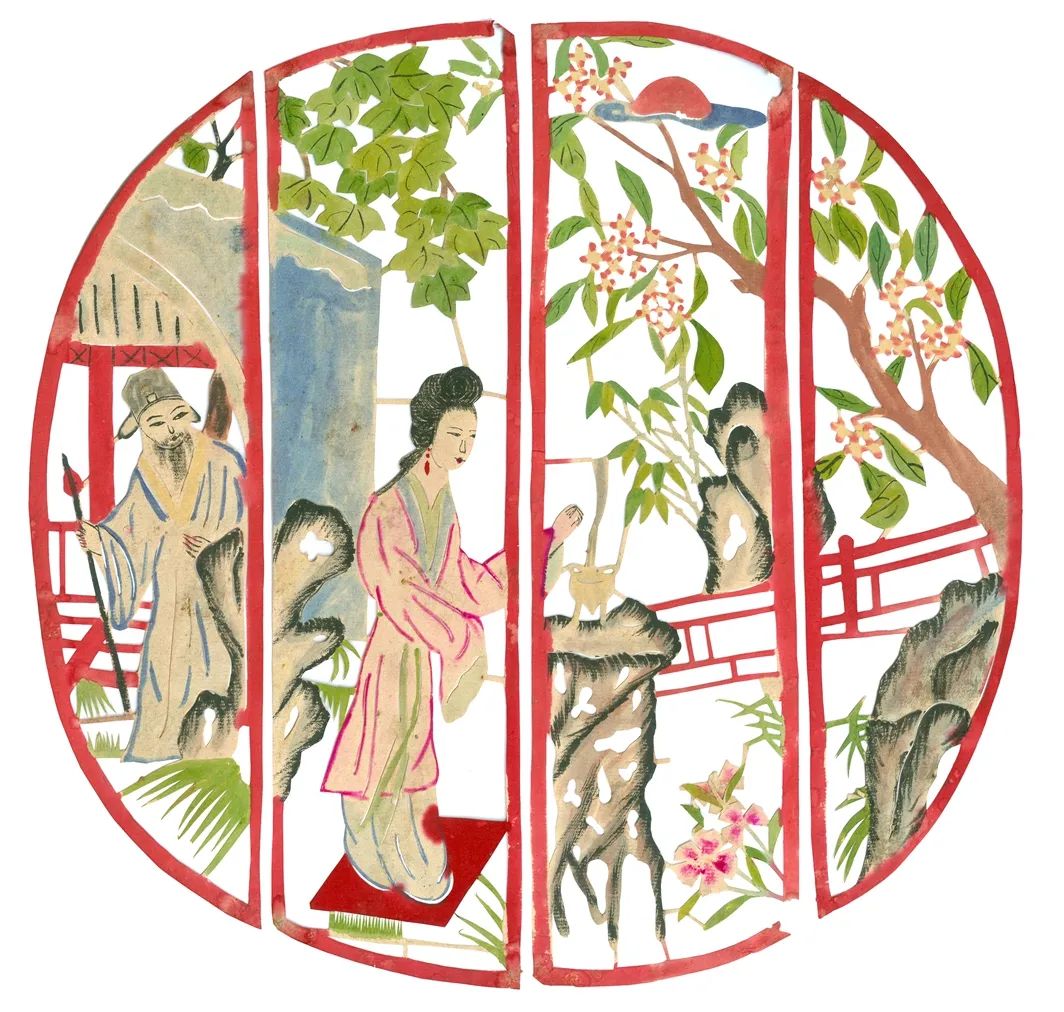
Diao Chan
Introduction
Diao Chan is one of the legendary Four Beauties of ancient China, known for her exceptional beauty and the significant role she played in historical narratives and folklore during the late Eastern Han Dynasty. Despite the lack of concrete historical records, Diao Chan's story has captured the imagination of generations through classical literature, opera, and various forms of media. Her tale is primarily recounted in the historical novel "Romance of the Three Kingdoms," where she is depicted as a pivotal figure in the downfall of the warlord Dong Zhuo. This makes her not only a symbol of beauty but also of cunning and political intrigue.
Historical Context
The story of Diao Chan is set against the backdrop of the late Eastern Han Dynasty, a time characterized by political instability, corruption, and the eventual decline of imperial authority. This period saw the rise of powerful warlords who fought for control over China, leading to the eventual fragmentation of the empire into the Three Kingdoms of Wei, Shu, and Wu. Dong Zhuo, a tyrannical warlord and general, seized control of the Han court, making him immensely powerful and feared. In this tumultuous era, Diao Chan emerges not as a historical figure but as a legendary character whose actions are said to have greatly influenced the power dynamics of the time. Her story is emblematic of the broader struggles for power and the use of intrigue and deception as tools in the political arena.
The Legend of Diao Chan
Diao Chan's legend is primarily derived from the "Romance of the Three Kingdoms," a historical novel by Luo Guanzhong. In the novel, she is portrayed as the adopted daughter of Wang Yun, an official in the court of the Han Dynasty. To rid the court of Dong Zhuo's tyranny, Wang Yun devises a plan using Diao Chan's beauty as a weapon. She is introduced to both Dong Zhuo and his adopted son, the warrior Lyu Bu, thereby sowing discord between the two men. Both father and son fall in love with her, leading to a rift that contributes to Dong Zhuo's assassination by Lyu Bu. Diao Chan's role in this tale highlights themes of sacrifice, loyalty, and the strategic use of beauty and charm to achieve political ends. Her story has been romanticized and dramatized in various operatic performances, where her character is often depicted as both a tragic and heroic figure.
Cultural Influence
Diao Chan's legacy has permeated various aspects of Chinese culture, from opera to modern media. She has been a central figure in traditional Chinese operas, including the renowned Peking Opera. These performances emphasize her beauty, intelligence, and pivotal role in the historical narrative of the Three Kingdoms. The opera "Lyu Bu and Diao Chan at the Fengyi Pavilion," performed by the Hong Kong Academy for Performing Arts, is one such example, showcasing the enduring appeal of her character. Beyond opera, Diao Chan has also been featured in films, television series, and video games, often portrayed as a complex character with both vulnerability and agency. Her influence extends to literature and art, where she continues to inspire new interpretations and adaptations. Diao Chan's story resonates due to its combination of romance, strategy, and the exploration of gender roles in historical contexts, making her a timeless symbol in Chinese culture.
Photo Gallery(2 pictures)CategoriesHistoryTagHistorical FiguresAncient Chinese HistoryChinese Classical LiteratureRelatedFour Great BeautiesFour Beauties of Ancient ChinaGames & QuizzesAncient Chinese Beauty Challenge: How Well Do You Know Them?Catalogue1. Introduction2. Historical Context3. The Legend of Diao Chan4. Cultural Influence-
- []








